The Craft
What It Takes to Make a Tortilla.
Karina Carrillo
·
Co-Owner and Head Chef
·
·
4 min read

The tortilla is the quickest part of the whole operation. Getting the corn to that point takes a cook, a long soak, a stone mill, and someone willing to look after all three.
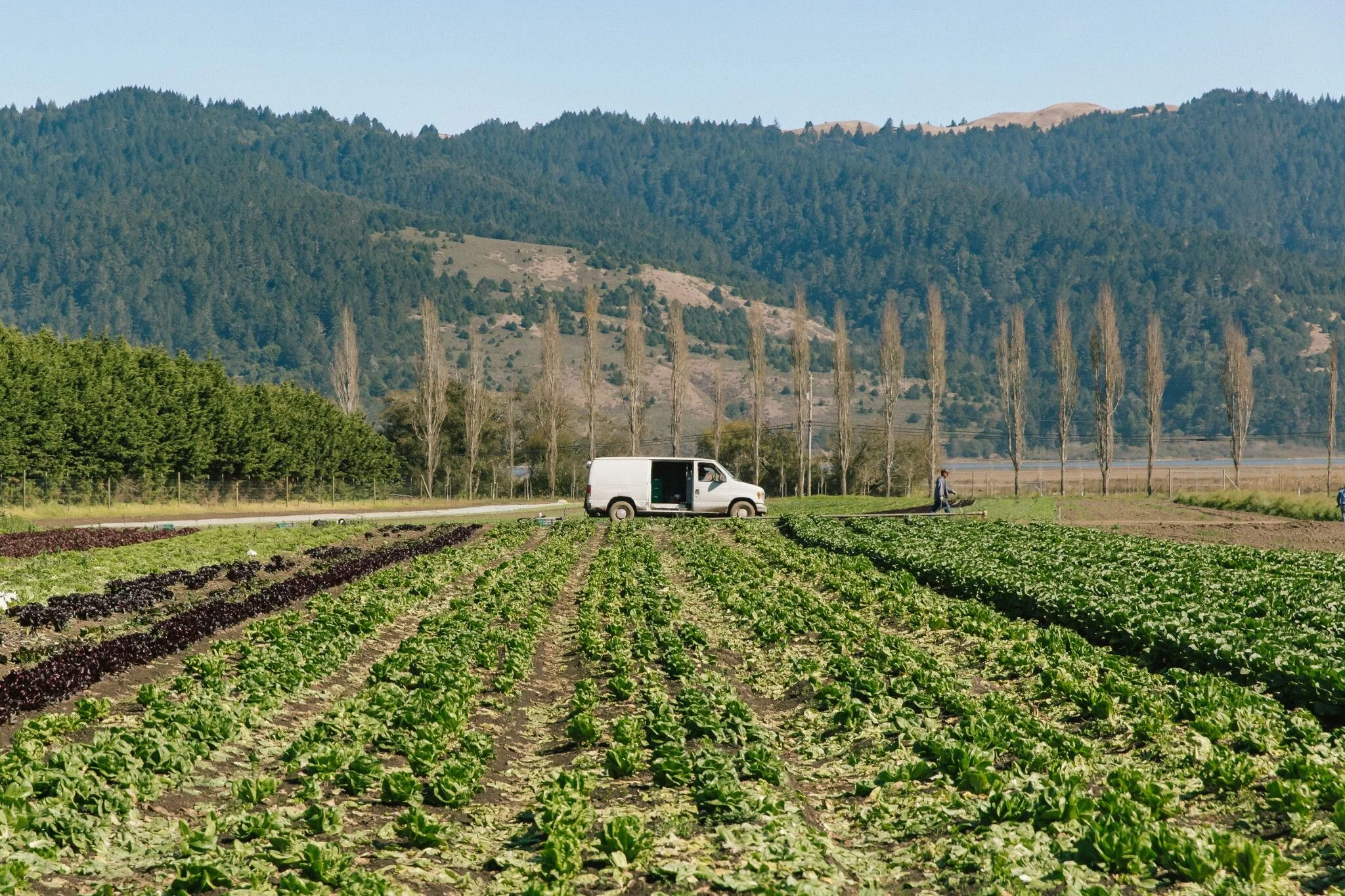
Most tortillas sold in this country begin life as masa harina, a corn flour you mix back together with water. It is quick, it is consistent, and there is nothing shameful about it. It is simply not what we do. Ours start as whole organic corn, dried, in a sack, and everything that happens after that is our responsibility.
Corn, Water and Cal
The process is called nixtamalization. The word comes from Nahuatl, the language of the Aztecs: nextli, meaning ashes, and tamalli, meaning dough. Ashes came first. Somewhere along the way cooks worked out that wood ash, and later cal, turned hard corn into something soft, fragrant and far better for you.
Cal is calcium hydroxide, food grade slaked lime. We cook the corn in water with it and then leave it to steep. The heat and the alkaline water do two jobs at once. The tough outer skin of each kernel loosens so it can be rubbed away, and the corn itself changes chemically. Niacin that is locked up in raw corn becomes available to the body, the protein becomes more usable, and calcium from the cal stays behind in the grain. Cultures that ate a lot of corn without doing this got sick. Cultures that did this thrived. Four thousand years later we are still following the instructions.
Once the corn has had its soak we rinse it, rub the skins off and rinse it again. What is left is called nixtamal. It smells sweet and faintly mineral, and it is nothing at all like a bag of flour.
Yellow One Week, Blue the Next
We alternate between organic yellow corn and organic blue. It is not a gimmick and it is not indecision. They are different ingredients. Yellow makes a rounder, sweeter tortilla with a gold cast to it. Blue is earthier and a little more savoury, and it cooks to a dusky grey violet. Blue is a loose word for it. Up close a batch is maroon and slate and pale gold all at once. The name describes the tortilla, not the kernels.
So if your tacos arrived on a pale gold tortilla last month and a purple one this week, nothing has gone wrong. That is just where we are in the rotation. A few regulars have worked out which one they prefer and have started asking at the counter, which we take as a very good sign.
The Stone
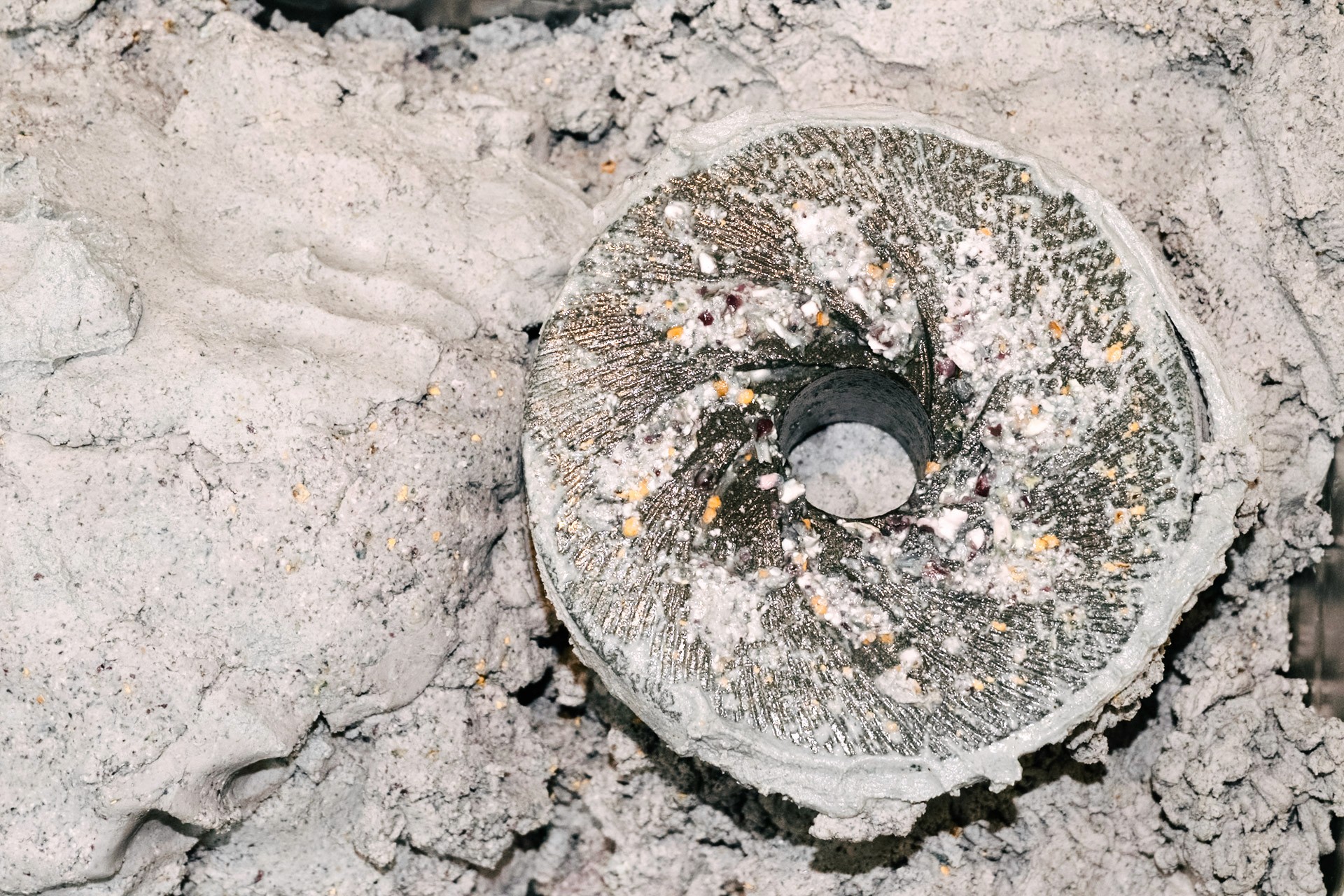
The nixtamal goes into a mill with two heavy stone wheels. One sits still, the other turns, and the wet corn is crushed between them. There is no blade and nothing is chopped. The corn is pressed into dough by weight and friction, the way it was done long before electricity got involved.
We grind a couple of times a week rather than to order. A grind is a commitment of time, and the machine does not appreciate being rushed.
Grinding stones go dull, and when they do the masa comes out wrong: sandy if the surface has worn flat, pasty if it is running too tight. So we dress the stones ourselves, recutting the grooves by hand until they bite the corn properly again. It is the least glamorous job in the building and one of the most important. Nobody has ever eaten a taco and thought about stone maintenance, which is exactly the point.
Rollers, a Cutting Wheel and the Comal
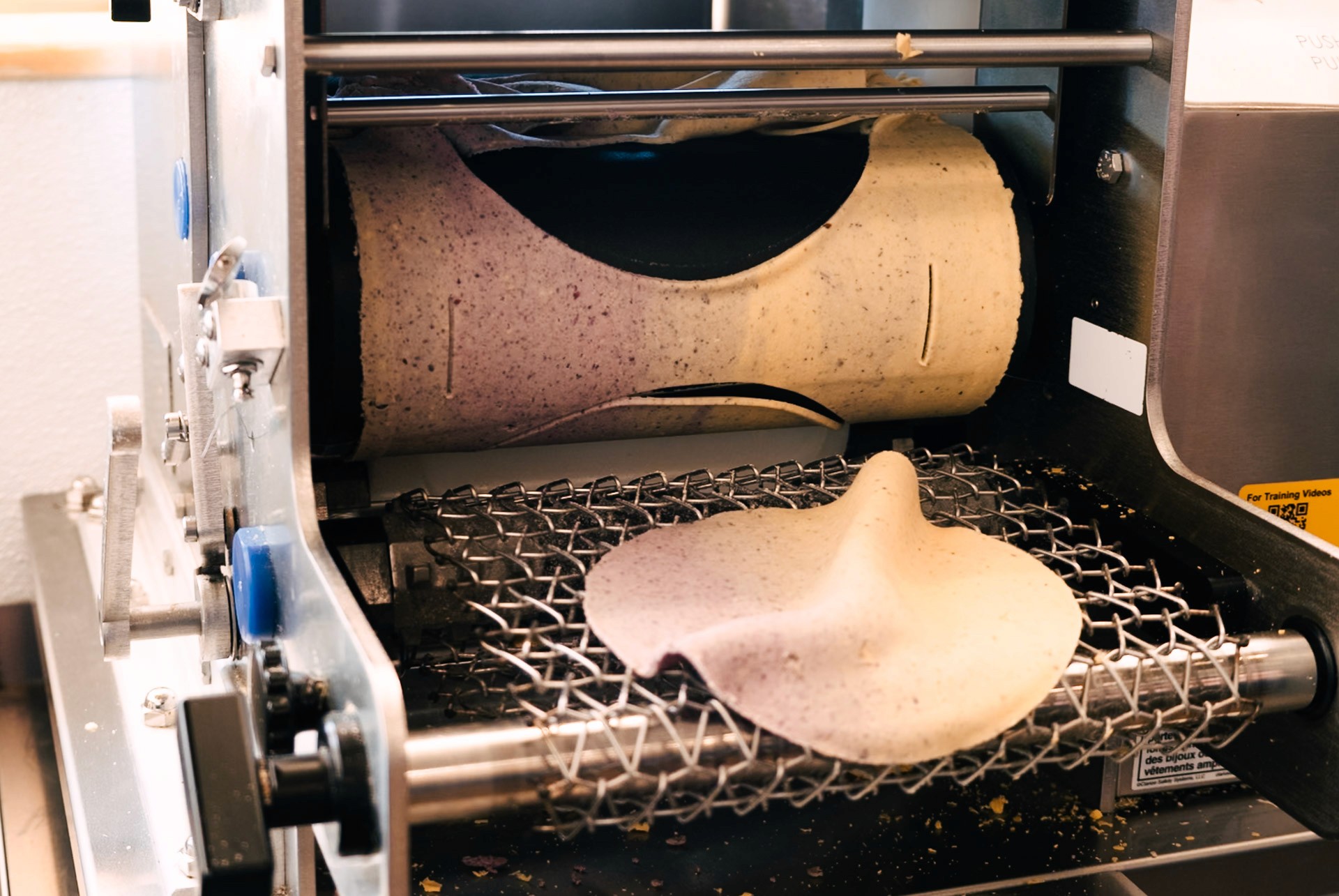
From the mill the masa is worked into a sheet between two rollers, and a cutting wheel stamps the rounds out of it. The offcuts go straight back in. Nothing is lost at this stage, which is one of the quiet advantages of making your own.
The cooking happens by hand on the comal, the big round steel griddle at the front of the shop, where you can watch it. Each one goes on raw, gets turned by hand, and comes off cooked. It is the fastest step in the whole process and the only part of it you ever see. Everything that came before it took days.
Why Go to the Trouble
It would be cheaper not to. Masa from a bag needs no soaking, no mill, no stone dressing, no floor space and nobody standing at a comal. What it also has is no smell. Fresh masa hitting a hot surface fills a room. You notice it before you taste it, and then you taste it in everything we fold, wrap or fill.
It also sets the rhythm of our week. Grinding days decide when we prep, when we braise and when we open, which is a large part of why we are closed on Mondays and Tuesdays. More on that another time.